
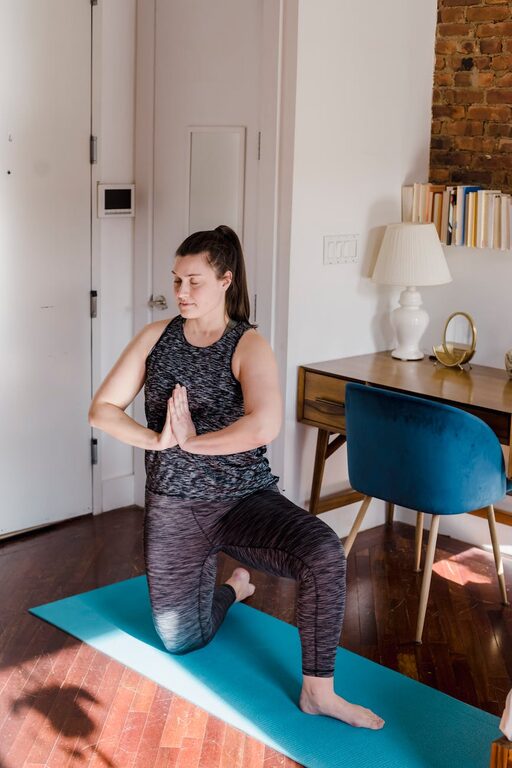
A Beginner’s Guide to Stretching at Home for Better Flexibility
Stretching is a fantastic way to improve your flexibility, reduce muscle tension, and enhance your overall physical health — all from the comfort of your home. Whether you’re new to exercise or simply want to add a relaxing routine to your day, stretching offers numerous benefits with minimal equipment or space required.
In this beginner’s guide, we’ll explore why stretching matters, how to get started, and easy stretches you can perform daily to feel more limber and energized.
Why Stretching Matters
Often overlooked, stretching plays an important role in a well-rounded fitness routine. Here’s why it’s worth including:
– Improves Flexibility: Regular stretching lengthens your muscles and increases your range of motion.
– Reduces Muscle Tension: Stretching helps relieve tightness and stiffness caused by long periods of sitting or physical activity.
– Enhances Circulation: Movement helps stimulate blood flow, delivering nutrients to your muscles.
– Supports Better Posture: Stretching tight muscles can improve your alignment and reduce discomfort.
– Promotes Relaxation: Stretching encourages mindful breathing and can lower stress levels.
Even a few minutes each day can make a noticeable difference in how your body feels and functions.
Preparing to Stretch at Home
Before diving into your stretching routine, it’s important to prepare properly.
Choose a Comfortable Space
– Find a quiet, uncluttered area where you have enough room to move freely.
– Use a yoga mat, towel, or soft carpet for comfort when sitting or lying down.
Wear Comfortable Clothing
– Loose, stretchy clothes allow for unrestricted movement.
– Avoid tight or heavy fabrics.
Warm Up Briefly
Stretching cold muscles can lead to injury. Spend 3-5 minutes warming up with light activity:
– March in place
– Gentle walking around your home
– Arm circles or shoulder rolls
Basic Types of Stretching
There are several stretching techniques, but beginners should focus on two main types:
Static Stretching
This involves holding a stretch position for 15-30 seconds. It helps lengthen muscles and improve flexibility over time.
Dynamic Stretching
Dynamic stretches use controlled movements that gently take your muscles through their full range of motion. These are good to do before exercise or activities.
For beginners at home, static stretches are easiest to begin with, while dynamic stretches can warm up your body before more vigorous activity.
Simple Stretches to Start With
Below are some beginner-friendly stretches you can incorporate into your daily routine. Remember to breathe deeply and never force your body into a painful position.
Neck Stretch
– Sit or stand tall.
– Slowly tilt your head toward your right shoulder until you feel a stretch on the left side of your neck.
– Hold for 20 seconds, then switch sides.
Shoulder Roll
– Stand with your arms relaxed by your sides.
– Slowly roll your shoulders forward in a circular motion 10 times.
– Reverse the direction and roll them backward 10 times.
Chest Stretch
– Stand facing a doorway.
– Place your hands and forearms on each side of the doorway at shoulder height.
– Step forward slightly, feeling the stretch across your chest.
– Hold for 20-30 seconds.
Seated Forward Bend
– Sit on the floor with your legs stretched straight in front of you.
– Slowly lean forward from your hips, reaching toward your toes.
– Stop when you feel a gentle stretch behind your legs.
– Hold for 20-30 seconds.
Cat-Cow Stretch (Spine Mobility)
– Begin on your hands and knees in a tabletop position.
– Inhale, arch your back (cow pose), lifting your head and tailbone.
– Exhale, round your back (cat pose), tucking your chin and pelvis.
– Repeat 8-10 times.
Standing Quadriceps Stretch
– Stand on one leg, holding a chair or wall for balance if needed.
– Grab your opposite ankle behind you and gently pull your heel towards your buttocks.
– Keep your knees close together and hold for 20 seconds.
– Switch legs.
Calf Stretch
– Stand facing a wall with your hands placed shoulder-height.
– Step one foot back, keeping it flat on the floor and your leg straight.
– Lean into the wall until you feel a stretch in your calf.
– Hold for 20-30 seconds and switch legs.
Tips for a Successful Stretching Routine
– Be Consistent: Aim to stretch at least 3-5 times a week.
– Stay Relaxed: Keep your muscles relaxed while holding stretches.
– Avoid Bouncing: Stretch in a smooth, steady manner.
– Listen to Your Body: Mild discomfort is normal, but sharp pain is a sign to stop.
– Include Breath: Deep, steady breaths help relax your muscles.
– Start Small: Build up your stretching time as your flexibility improves.
When to Stretch
– Morning: Helps wake up your body and increase circulation.
– Before Exercise: Use dynamic stretches to prepare your muscles.
– After Exercise: Cool down with static stretches to reduce soreness.
– Evening: Stretching before bed can support relaxation and help ease tension accumulated during the day.
Tools to Enhance Your Stretching Practice
While not necessary, some simple props can make stretching more comfortable and effective:
– Yoga Mat: Cushions your joints.
– Stretching Strap or Towel: Assists in deepening stretches, especially for hamstrings.
– Foam Roller: Helps release muscle knots before or after stretching.
Final Thoughts
Starting a stretching routine at home is a simple and accessible way to improve your mobility, posture, and overall comfort. With just a few basic exercises, you can create a habit that supports your health and well-being for years to come.
Remember to go at your own pace, enjoy the process, and celebrate small improvements each day. Happy stretching!
